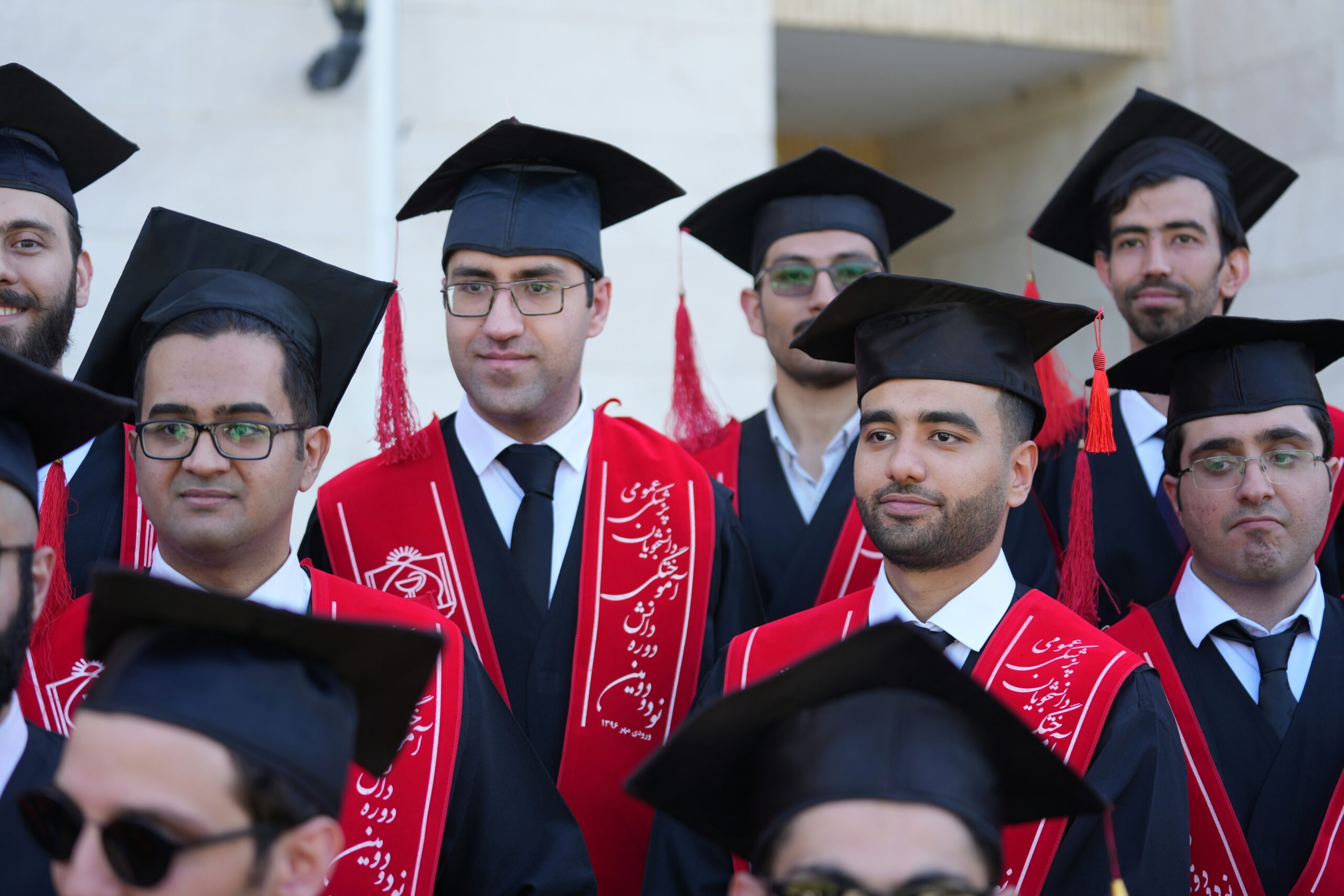
Education often shapes a person’s entire life. However, many talented students struggle to continue their studies due to financial constraints. That is where scholarship programs step in. They do more than pay tuition. They create real pathways for opportunity, growth, and long-term community development. When communities invest in students, they invest in their own future.
Why Education Access Matters for Every Community
Access to education influences more than individual success. It affects job markets, local innovation, and even public health outcomes. When students gain access to learning opportunities, they build skills that later benefit their families and neighborhoods.
However, financial barriers often stop capable students from moving forward. As a result, many communities lose potential doctors, engineers, teachers, and leaders. Therefore, scholarship initiatives play a key role in closing this gap. They give students a fair chance to pursue higher education without the financial stress that can overwhelm.
In addition, access to education supports social mobility. Students from low-income backgrounds can rise into stable careers when they receive the right support. Consequently, entire communities experience long-term economic improvement.
How Scholarship Programs Create Real Change
Scholarship programs do more than provide money. Instead, they build students’ confidence and reduce their stress about tuition and living expenses. When students feel financially supported, they focus better on their studies.
Moreover, many scholarship programs include mentoring or academic guidance. This combination helps students stay on track and complete their degrees successfully. For example, a nursing student may receive both financial aid and mentorship from healthcare professionals. As a result, they gain both education and career direction.
Additionally, scholarship recipients often feel motivated to give back. Many later return to their communities to support younger students or participate in local development projects. In this way, one scholarship can create a cycle of positive change.
Building Stronger Futures Through Local Investment
Local organizations, businesses, and foundations often fund scholarship initiatives. When they invest in students, they strengthen their own future workforce. This connection between education and economic development is powerful.
For instance, a small business may sponsor scholarships for students pursuing technology or business studies. Later, those students may return as skilled employees or even future entrepreneurs. Therefore, scholarship programs help reduce talent shortages in local industries.
At the same time, communities build stronger relationships between education systems and local employers. This connection improves job readiness and ensures students learn skills that match real market needs.
Supporting Students Beyond Financial Aid
Financial help alone does not always guarantee success. Students also need emotional support, guidance, and encouragement. That is why many scholarship initiatives include personal development programs.
For example, some programs offer workshops on communication skills, career planning, and leadership development. These experiences help students prepare for real-world challenges. Furthermore, they increase confidence and decision-making abilities.
In addition, peer networks often form within scholarship groups. Students connect with others who share similar goals and challenges. As a result, they build friendships and support systems that last beyond graduation.
Encouraging Equal Opportunity in Education
Not all students start with the same advantages. Some have access to better schools, while others face limited resources. Scholarship programs help balance this inequality by focusing on potential rather than background.
Moreover, many programs now use fair selection processes that evaluate academic performance, community involvement, and personal determination. This approach ensures that deserving students receive support, even if they do not come from privileged environments.
In addition, targeted scholarships support underrepresented groups in higher education. This includes first-generation college students, rural students, and students from minority communities. Consequently, education becomes more inclusive and representative of society as a whole.
Strengthening Communities Through Return Impact
One of the most powerful outcomes of scholarship initiatives is return impact. Many students who receive support eventually give back to their communities. They may become teachers, healthcare workers, or local leaders.
For example, a student who receives a scholarship to study education may return to teach in their hometown. As a result, future generations benefit from improved learning quality. Similarly, medical scholarship recipients often work in underserved areas, improving healthcare access.
Furthermore, these returning professionals often inspire others. Young students see real examples of success from their own communities. This inspiration encourages them to pursue education with greater determination.
Collaboration Between Public and Private Sectors
Effective scholarship programs often rely on collaboration. Governments, private companies, and nonprofit organizations all play important roles. When they work together, they create stronger and more sustainable support systems.
For instance, government-funded programs may cover tuition, while private organizations provide internships or training opportunities. This combination helps students gain both academic knowledge and practical experience.
Additionally, nonprofit groups often focus on outreach. They identify students who need support but may not know how to access available resources. Therefore, collaboration ensures that help reaches those who need it most.
Long-Term Benefits of Investing in Education
Scholarship initiatives create benefits that last for generations. When one student succeeds, their success often influences their family, community, and even future workforce development.
Moreover, educated individuals tend to earn higher incomes, which strengthens local economies. They also contribute more to public services through taxes and civic participation. As a result, society becomes more stable and productive.
In addition, communities with strong education support systems often experience lower crime rates and better health outcomes. Education builds awareness, responsibility, and long-term thinking. Therefore, investing in students creates a ripple effect of positive change.
Building Opportunity Through Education
Scholarship initiatives play a vital role in shaping stronger, more equal communities. They remove financial barriers, support personal growth, and encourage long-term development. At the same time, they connect education with real-world opportunities that benefit everyone.
When communities invest in students, they invest in progress. Moreover, they build a future where talent and determination matter more than financial background. Over time, these efforts create stronger economies, healthier societies, and more hopeful generations.
Ultimately, scholarship programs are not just about funding education. Instead, they are about unlocking human potential and building a better future for all.