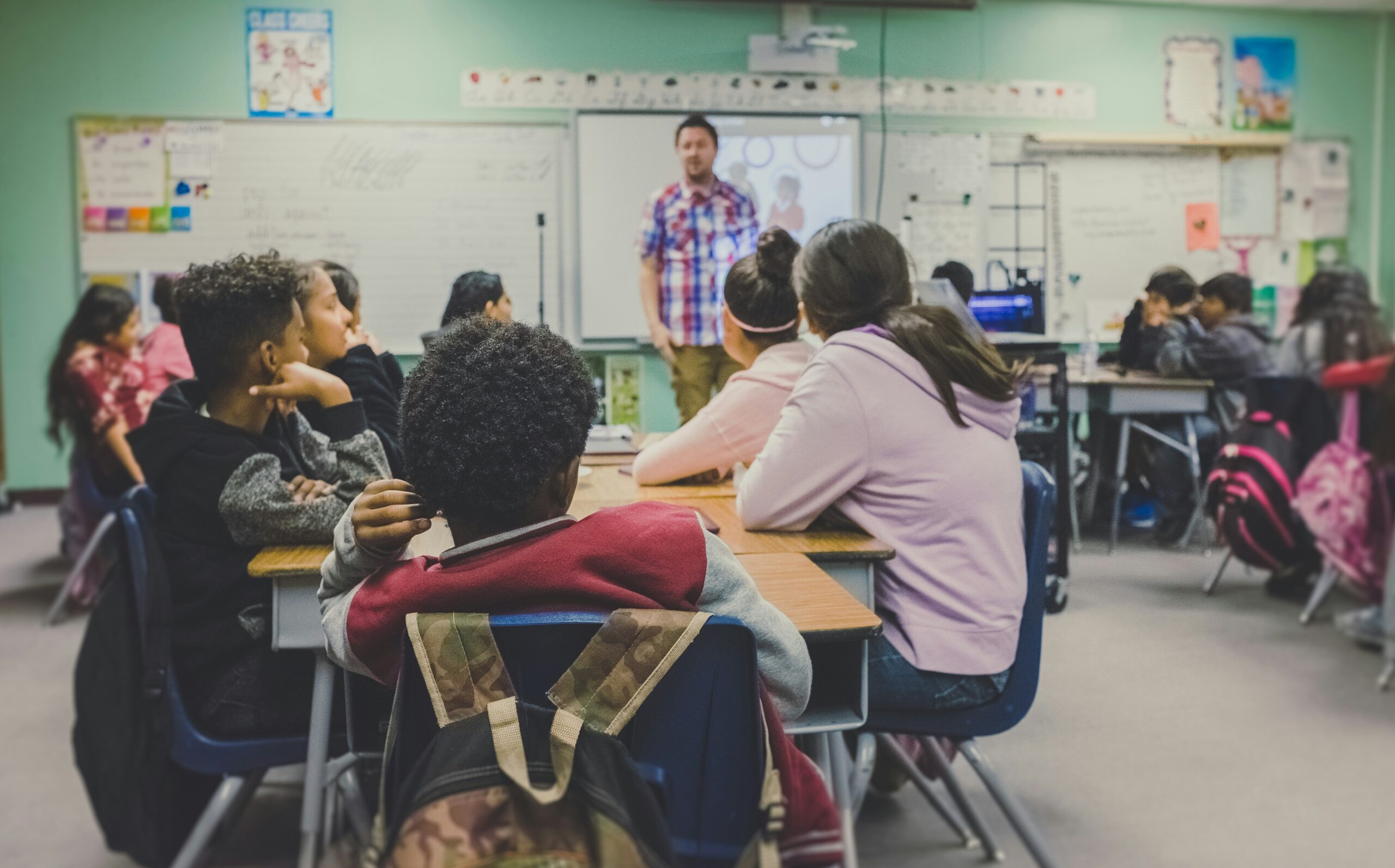
An educational journey shapes the future of every professional leader. Students begin with classroom learning, yet they often move toward careers that require confidence, creativity, communication, and strategic thinking. Education lays the foundation for long-term professional growth by helping individuals build knowledge, improve decision-making, and develop leadership skills. As industries continue to change, companies seek professionals who can guide teams, solve problems, and inspire innovation.
A strong educational journey does more than prepare students for employment. It helps them become future leaders who understand teamwork, responsibility, and continuous learning. Many successful professionals started their careers in classrooms where they learned discipline, developed communication skills, and gained the confidence to pursue leadership opportunities. Therefore, education remains one of the most powerful tools for career advancement and success in industry leadership.
The Role of Classroom Learning in Professional Growth
Classroom learning provides the first stage of professional development. Students learn essential subjects, critical thinking skills, and communication techniques that support future career growth. Teachers also encourage students to ask questions, solve problems, and participate in discussions. These experiences strengthen confidence and prepare individuals for professional responsibilities.
Moreover, classroom learning helps students develop discipline and time management skills. Academic assignments, presentations, and projects teach responsibility and accountability. Students learn how to organize tasks, manage deadlines, and work under pressure. As a result, they gain habits that later support leadership success in professional industries.
Educational Journey Builds Strong Communication Skills
Strong communication skills remain essential for industry leadership. Educational environments help students improve speaking, writing, and listening abilities through presentations, discussions, and collaborative assignments. Students learn how to express ideas clearly while understanding different perspectives.
In professional industries, leaders must communicate effectively with employees, clients, and business partners. Therefore, individuals who strengthen communication skills during their educational journey often perform better in leadership roles. Clear communication supports teamwork, reduces misunderstandings, and improves workplace relationships. Consequently, organizations value professionals who can communicate with confidence and professionalism.
Critical Thinking Creates Better Leaders
An educational journey encourages students to think critically and analyze information carefully. Schools and universities challenge students to evaluate problems, research solutions, and make informed decisions. These experiences improve logical thinking and prepare individuals for complex professional situations.
Industry leaders often face changing market conditions and unexpected challenges. Therefore, strong critical thinking skills help professionals respond effectively to difficult situations. Leaders who analyze problems carefully can create practical solutions that support organizational growth. Educational experiences help individuals develop this mindset early in their professional journeys.
Teamwork and Collaboration Support Leadership Development
Educational institutions frequently encourage teamwork through group assignments, projects, and extracurricular activities. These experiences teach students how to work cooperatively, share responsibilities, and contribute to common goals. Collaboration helps individuals understand the value of teamwork and leadership.
Furthermore, teamwork develops interpersonal skills that later support professional growth. Students learn how to manage disagreements, respect different opinions, and communicate effectively within teams. These abilities become highly valuable in industries where successful leadership depends on collaboration and strong workplace relationships.
Practical Learning Connects Education With Industry
Modern education often includes internships, workshops, and training programs that connect classroom learning with real-world experiences. Practical learning helps students understand workplace expectations while improving professional confidence. Students gain exposure to industry environments and develop hands-on skills that strengthen career readiness.
Additionally, practical experience helps students apply academic knowledge to real-world situations. They learn how to solve problems, manage responsibilities, and adapt to workplace challenges. Employers often prefer candidates who combine education with practical experience because they can contribute more effectively to organizational success.
Educational Journey Encourages Innovation
Innovation drives success in modern industries. Educational institutions encourage creativity through research projects, experiments, and problem-solving activities. Students learn how to explore ideas, challenge traditional methods, and develop innovative solutions to different challenges.
Creative thinking allows professionals to improve business processes and adapt to industry changes. Leaders who encourage innovation often guide organizations toward growth and long-term success. Therefore, an educational journey that supports creativity and exploration prepares individuals for leadership opportunities in competitive industries.
Networking Opportunities Create Career Growth
Educational environments provide opportunities for students to build professional relationships with classmates, teachers, mentors, and industry professionals. Networking supports career development because strong professional relationships often lead to internships, mentorship opportunities, and career advancement.
Students who actively build networks during their educational journey often gain valuable industry insights. They also learn from experienced professionals who provide guidance and support. As a result, networking becomes an important factor in professional leadership success and long-term career growth.
Personal Growth Shapes Leadership Qualities
Education contributes to personal development as much as it does to academic success. Students develop confidence, resilience, responsibility, and emotional intelligence through academic experiences. These personal qualities influence leadership effectiveness and professional relationships.
Strong leaders understand how to motivate teams, solve conflicts, and create positive workplace cultures. Therefore, personal growth remains essential for professional success. Educational journeys help individuals become more adaptable and emotionally aware, thereby strengthening their ability to lead effectively across different environments.
Continuous Learning Supports Industry Leadership
Industries constantly evolve because of technology, innovation, and global competition. Successful leaders understand the importance of continuous learning and professional development. Education teaches individuals how to remain curious and committed to improving their knowledge and skills.
Continuous learning helps professionals stay informed about industry trends and leadership strategies. Certifications, advanced training, and professional courses support career advancement and long-term leadership success. Consequently, individuals who continue learning throughout their careers often become more effective and influential industry leaders.
Ethical Values Strengthen Professional Leadership
Educational institutions often emphasize ethics, integrity, and accountability. Students learn the importance of fairness, professionalism, and responsible behavior during their educational journey. These values later influence workplace decisions and leadership practices.
Ethical leadership creates trust within organizations and improves professional relationships Employees and clients often respect leaders who demonstrate honesty and responsibility. Therefore, strong ethical values help professionals build long-term credibility and positive industry reputations.