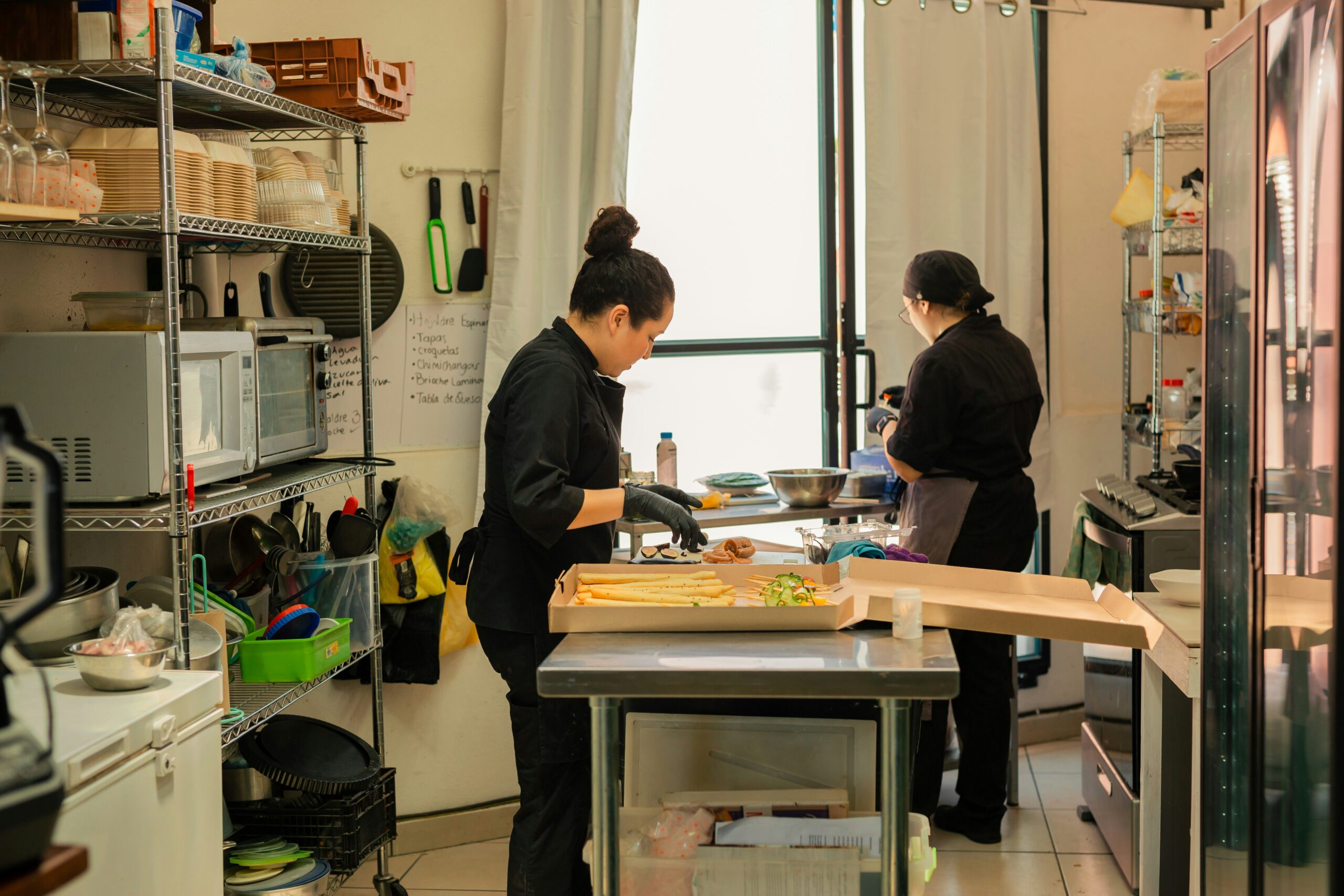
For many people, workdays revolve around deadlines, meetings, and routines that rarely leave room for personal expression. However, once the office lights turn off, another world often comes alive in the kitchen. Cooking has become more than a basic life skill; it is now a creative outlet, a stress reliever, and a deeply personal form of expression. Beyond the office, the kitchen offers freedom, experimentation, and a sense of accomplishment that feels both grounding and rewarding.
Moreover, culinary creativity allows individuals to reconnect with themselves after structured workdays. Through flavors, textures, and aromas, people rediscover curiosity and joy. As a result, cooking evolves from a necessity into a passion that nourishes both the body and the mind.
The Kitchen as a Creative Escape
After hours spent following schedules and expectations, the kitchen feels refreshingly open. Cooking invites experimentation and rewards curiosity rather than perfection. While a recipe may offer guidance, personal touches often turn simple meals into something meaningful. Therefore, many people find cooking to be a welcome escape from rigid routines.
Additionally, cooking encourages mindfulness. Chopping vegetables, stirring sauces, and tasting flavors pull attention into the present moment. Consequently, the day’s stress slowly fades, giving way to focus and calm. This creative escape allows people to recharge emotionally while creating something tangible and satisfying.
How Cooking Sparks Everyday Creativity
Creativity does not belong only to artists or designers, but it also thrives in everyday cooking. When people combine ingredients in new ways or adjust recipes to suit their tastes, they engage in problem-solving and imagination. Over time, this creative process builds confidence and curiosity.
Furthermore, cooking encourages adaptability. When an ingredient is missing, cooks improvise and often discover better solutions. As a result, the kitchen becomes a place where mistakes turn into learning moments. This mindset carries over into daily life, encouraging flexibility and creative thinking beyond the stove.
Balancing Work Life With a Culinary Passion
Balancing a demanding job with personal interests can feel challenging. However, cooking fits naturally into daily routines, making it easier to maintain consistency. Preparing meals after work or experimenting on weekends creates a healthy rhythm between responsibility and enjoyment.
At the same time, cooking offers a sense of control that many workplaces lack. In the kitchen, decisions feel immediate and personal. Therefore, even short cooking sessions can restore a sense of autonomy. This balance supports mental well-being and prevents burnout, especially in fast-paced professional environments.
Learning Through Flavors and Cultures
Cooking opens doors to global cultures and traditions. By exploring recipes from different regions, people gain insight into history, family traditions, and shared human experiences. Each dish tells a story, and each flavor introduces a new perspective.
Moreover, cultural cooking encourages respect and curiosity. As people learn about spices, techniques, and traditions, they expand their understanding of the world. Consequently, cooking becomes a form of education that feels enjoyable and accessible. This learning experience adds depth to the passion and keeps curiosity alive.
Building Confidence One Dish at a Time
Confidence grows gradually in the kitchen. Each successful meal reinforces the belief that skills can improve with practice. Even failed attempts offer lessons that guide future efforts. Over time, cooking becomes less intimidating and more intuitive.
Additionally, sharing food with others strengthens confidence. When friends or family enjoy a dish, it validates the effort and creativity that went into it. As a result, many people feel encouraged to try more complex recipes or to develop their own cooking styles. This steady growth fosters pride and self-assurance that extends beyond cooking.
Cooking as a Form of Self-Care
Self-care often feels abstract, yet cooking makes it tangible. Preparing nourishing meals supports physical health, while the process itself soothes the mind. Cooking at home allows people to choose ingredients that align with their needs and preferences.
Furthermore, cooking creates routines that promote balance. Evening meal preparation can signal the transition from work mode to personal time. Therefore, the kitchen becomes a space for reflection and relaxation. This intentional pause supports emotional well-being and helps maintain healthy boundaries between work and life.
Sharing Food and Creating Connections
Food naturally brings people together. Whether through family dinners or casual gatherings, shared meals strengthen relationships. Cooking for others communicates care and effort without words. As a result, the kitchen becomes a place of connection and generosity.
In addition, sharing recipes and cooking tips builds community. Conversations around food feel inclusive and welcoming. Consequently, culinary creativity fosters social bonds that enrich both personal and professional lives—these connections often last longer than the meals themselves.
Turning Passion Into Personal Growth
While cooking often starts as a hobby, it frequently leads to personal growth. People develop patience, discipline, and attention to detail through repeated practice. These qualities support success in other areas of life, including careers.
Moreover, culinary passion encourages goal setting. Learning new techniques or mastering specific cuisines provides direction and motivation. Over time, these small goals create a sense of progress and fulfillment. Cooking becomes a lifelong journey rather than a temporary interest.
Why Culinary Creativity Matters Beyond the Office
Beyond the office, cooking represents freedom and self-expression. It allows individuals to reclaim time and energy. Through creativity, experimentation, and connection, cooking adds richness to everyday life.
Ultimately, culinary creativity reminds people that fulfillment does not come solely from professional success. It also grows from passion, curiosity, and shared experiences. By embracing cooking as more than a task, individuals discover joy that nourishes both their work life and personal identity.